
About
Vietnam is the Southeast Asia trip most Indian travellers think they understand before they've been — and the one where the gap between "generic guide" and "someone who's actually done this for years" shows up fastest. Halong Bay's limestone karsts, Hoi An's lantern-lit old town, Hanoi's Old Quarter chaos: all genuinely worth it. But three things catch first-timers out every single season, and almost nothing written about Vietnam for Indian travellers mentions all three in one place.
First: Vietnam doesn't have one climate, it has three, running on three different calendars. The North (Hanoi, Halong Bay, Sapa) has four actual seasons with a cold winter; Central Vietnam (Hoi An, Hue, Da Nang) has a genuine typhoon season that most "best time to visit" articles wave away as "occasional rainfall"; the South (Ho Chi Minh City, Mekong Delta, Phu Quoc) stays warm year-round with a much gentler wet season. A single "October to April is best" answer — which is what most Vietnam content gives you, including generic versions of this page — is actively wrong for at least one of these three regions depending on when you're asking.
Second: Phu Quoc has a genuine visa-free entry rule for Indian passport holders — but it comes with conditions strict enough that the Indian Embassy in Hanoi issued a public advisory about it in April 2026, after travellers kept getting caught out. We cover exactly what qualifies and what doesn't in the Visas section below, because getting this wrong doesn't just mean an awkward conversation at immigration — it can mean real delays or complications, and the embassy's own advisory says as much.
Third — and this is the one every first-time visitor to Hanoi or Ho Chi Minh City asks about within an hour of landing: how do you actually cross the road? Vietnam's motorbike traffic looks genuinely chaotic to a first-timer, and the answer isn't what most people expect. We cover the real technique below, because it's the single most-asked practical question we get from clients before their first Vietnam trip, and it's almost never explained properly.
Beyond the practicalities, Vietnam rewards travellers who don't try to do everything in one trip. Hanoi and Halong Bay in the north, Hoi An and Hue in the centre, and Ho Chi Minh City with the Mekong Delta in the south are each genuinely distinct — a rushed 6-night "see it all" trip means long internal flights eating into sightseeing time. We don't recommend trying to cover all three regions properly on fewer than 8-9 nights; a shorter trip is far better served by picking one region and one extension (North + a Halong Bay cruise, or Central + a Phu Quoc beach add-on) than rushing all three.
Our approach to Vietnam is the same as everywhere: get the region-specific timing, the Phu Quoc visa rule, and a couple of genuinely practical local-knowledge basics right first, then build the itinerary around depth rather than a checklist.
Vietnam stretches over 1,600km along the eastern coast of the Indochinese Peninsula, bordered by China to the north and Laos and Cambodia to the west — and that length is exactly why it doesn't have one climate. We map it into three practical zones, not five, because this is genuinely how the country's weather and travel planning divides:
North Vietnam (Hanoi, Halong Bay, Sapa, Ninh Binh) — Four real seasons. Cold, often grey winters (Dec-Feb, occasionally under 10°C in Hanoi and considerably colder in Sapa's mountains), a hot, humid summer (May-Sep) that's also the main wet season, and genuinely pleasant shoulder periods either side.
Central Vietnam (Hue, Da Nang, Hoi An) — A dry season roughly February-August, and a wet season September-January that includes Vietnam's typhoon season, typically peaking September-November. This is the one most generic guides flatten into "occasional rainfall" — it's a genuine risk period, not a minor inconvenience, and it's worth planning around explicitly.
South Vietnam (Ho Chi Minh City, Mekong Delta, Phu Quoc) — Warm year-round with far less seasonal swing: a dry season roughly December-April and a wet season May-November that's generally shorter, more predictable afternoon showers rather than the North or Central's more disruptive weather.
Our tip: if your itinerary spans more than one of these zones, don't pack — or plan — for a single climate. A trip covering Hanoi and Ho Chi Minh City in the same week can mean layering up for a cool, damp Hanoi morning and stripping down for tropical Saigon heat the same afternoon.
The official currency is the Vietnamese Dong (VND). The numbers are genuinely large — a coffee might cost 45,000 VND, a meal 200,000 VND — and it takes most first-time visitors a day or two to stop mentally converting everything.
Insider tip: the 10,000 VND and 100,000 VND notes look confusingly similar at a glance (similar blue-green colour scheme), and it's a genuinely common mistake for first-time visitors to hand over the wrong one — always check the printed number, not just the colour, especially when paying quickly at a market stall. Cards are now widely accepted in cities (hotels, malls, most restaurants), but small eateries, markets and rural areas still run on cash — carry small notes for these, since breaking a large note for a small purchase is a routine minor hassle
Vietnam is genuinely well-connected from India, with four airlines now operating direct flights: VietJet Air, Vietnam Airlines, IndiGo and Air India, connecting Delhi, Mumbai, Kolkata and Ahmedabad to Hanoi, Ho Chi Minh City, Da Nang and Phu Quoc. Flight time on a direct route runs 4-5.5 hours — genuinely one of the shorter, easier international trips available from India.
Connectivity has been actively expanding through 2026, worth knowing if you're comparing routes: Air India launched non-stop Delhi-Hanoi service on 1 May 2026 (Hanoi is now its second Vietnamese gateway after Ho Chi Minh City), and IndiGo has a daily non-stop Mumbai-Hanoi route launching from October 2026 — before this, Mumbai-Hanoi typically meant a one-stop connection via Delhi. If you're booking for late 2026 onward, check whether a newly non-stop option has opened up on your specific route, since this has genuinely changed more than once this year.
Our tip: Hanoi and Ho Chi Minh City work as different entry points for different itineraries — fly into Hanoi if the North is your priority, Ho Chi Minh City if the South is. For a multi-region trip, an open-jaw booking (fly into one, out of the other) avoids backtracking across the country.
Indian passport holders need a visa to enter mainland Vietnam. The standard, recommended route:
Vietnam e-Visa
Apply online at evisa.gov.vn — no embassy visit required
Fee: $25 USD (single-entry) or $50 USD (multiple-entry), roughly ₹2,100-4,600
Valid for up to 90 days, single or multiple entry
Processing typically takes 3-5 working days — apply at least 7-10 days before departure, and earlier still around Tet (Lunar New Year, January/February), when processing can slow considerably
Accepted at all 83 approved entry points — airports, land borders and seaports
Documents needed: passport (valid 6+ months from arrival, 2 blank pages), a recent photo, confirmed accommodation details, and — once submitted — your travel dates can't be changed on that application
Visa on Arrival is also available at major airports but requires a pre-approved approval letter arranged before departure — genuinely more hassle than the e-Visa for most leisure travellers, and we don't recommend it unless there's a specific reason the e-Visa doesn't work for your timeline.
The Phu Quoc Exception — Read This If Phu Quoc Is Anywhere on Your Itinerary
Phu Quoc Island offers Indian passport holders visa-free entry for up to 30 days — but the conditions are strict, and the Indian Embassy in Hanoi issued a formal public advisory about this on 6 April 2026 after travellers kept getting it wrong. To qualify, all of the following must be true:
You fly or sail directly into Phu Quoc International Airport or Seaport from outside Vietnam — your ticket's final destination must be Phu Quoc itself
Connecting through Ho Chi Minh City or Hanoi first does not qualify, even as a same-day domestic connection — you'll be processed as a standard mainland arrival at that first airport and need a valid visa there
You stay on Phu Quoc only for your entire trip — no day trips to the mainland, not even briefly
You exit Vietnam directly from Phu Quoc to another country
Valid passport (6+ months) and proof of onward/return travel
Our tip, and this is genuinely what we now recommend to every client considering Phu Quoc: even if your itinerary technically qualifies for the visa-free route, get the e-Visa anyway. It costs roughly ₹2,100 and gives you 90-day, multi-entry flexibility — a safety net if a flight gets rerouted, a connection changes, or you decide mid-trip to add a day in Ho Chi Minh City. The embassy's own advisory flags exactly this: travellers who assumed visa-free status and then had a flight disruption route them through the mainland have faced real, avoidable immigration complications. The ₹2,100 is cheap insurance against a genuinely stressful situation.
Vietnam doesn't have one "best time" — it has three, matching the regional climate zones above:
North (Hanoi, Halong Bay, Sapa): October-December and March-April are the sweet spots — comfortable temperatures, manageable humidity. Avoid the peak summer wet season (Jun-Aug) if you can, and know that winter (Dec-Feb) is genuinely cold and grey, not the tropical Vietnam most people picture.
Central (Hoi An, Hue, Da Nang): February-August is the dry season and the best window. Avoid September-November if possible — this is peak typhoon season, and it's not a minor caveat: flights, cruises and sightseeing can all be disrupted with real, sometimes short-notice, weather-driven cancellations.
South (Ho Chi Minh City, Mekong Delta, Phu Quoc): December-April is driest and most popular, but the wet season (May-Nov) here is genuinely milder than the North or Central — short afternoon showers rather than days of disruption — so it's a legitimate option if your dates are fixed and this is the only window that works.
Our tip: if your trip spans multiple regions, there often isn't a single month that's ideal for all of them — plan around which region matters most to you, and treat the others as "good enough" rather than expecting the same perfect conditions everywhere.
Download Grab (Southeast Asia's ride-hailing app) before you land. It's the standard way locals and savvy travellers get around — metered, transparent pricing, no negotiation — and considerably more reliable than hailing an unmetered taxi on the street.
If you do need a street taxi, stick to Mai Linh (green) or Vinasun (white/green) in Ho Chi Minh City — both are established, trusted operators; unfamiliar liveries near tourist hotspots and airports have a real history of meter tampering or inflated "flat rate" quotes for tourists.
Bargaining is expected at markets (Ben Thanh, Dong Xuan) but not in malls, supermarkets, or restaurants with printed menus — a good rule of thumb is to start around 40-50% of the first quoted price at a market stall and settle somewhere in the middle; this is normal, expected local practice, not an imposition.
Choose overnight trains or budget flights for inter-city travel, and for Halong Bay or Sapa specifically, compare a slightly higher-rated cruise or homestay operator against the cheapest option — this matters more here than in most destinations (see the Halong Bay safety note under Experiences below).
Eat at local vegetarian-friendly Vietnamese restaurants for genuinely affordable, good meals — Vietnam's food scene is considerably more vegetarian-accommodating than most first-time visitors expect, particularly in Hoi An and Hanoi.
Book Halong Bay cruises and city tours in advance for better pricing and, more importantly, better vetted operators — advance booking through an established agent gives you more visibility into an operator's actual safety and service record than a same-day dockside booking.
Layers, genuinely — not just "light clothing." A trip covering Hanoi (cool, damp mornings possible even outside winter) and Ho Chi Minh City (tropical heat year-round) in the same week needs both a light layer and something warmer, not a single packing strategy.
Comfortable, grippy walking shoes — Hanoi's Old Quarter and Hoi An's old town both involve a lot of uneven pavement and, in Hoi An's case, genuine flood risk underfoot during the wet season.
A proper rain layer if you're travelling Central Vietnam September-November — this isn't optional "just in case" packing here; it's a real typhoon-season consideration.
Modest clothing for temples and pagodas, as already noted — worth adding that this applies at the Perfume River pagodas near Hue and Hoi An's Chinese assembly halls specifically, not just the obvious major temples.
Insect repellent, particularly for Ninh Binh, the Mekong Delta, and Sapa's countryside.
A physical list or translated card of your dietary requirements if you're vegetarian or Jain and travelling outside the main tourist circuit — city restaurants handle this well, but smaller rural eateries appreciate having it in writing rather than relying on translation apps mid-order.
Vung Tau is a coastal city in southeastern Vietnam, located near Ho Chi Minh City. It is popular for beach getaways, seaside promenades, hilltop viewpoints, and the iconic Christ the King statue overlooking the coastline.
Mui Ne is a beach destination along Vietnam’s southeast coast, known for its unique red and white sand dunes, fishing villages, windsurfing spots, and laid-back coastal landscapes.
Chau Doc is located in western Vietnam near the Cambodian border in the Mekong Delta region. It is known for riverfront views, floating villages, cultural diversity, and as a gateway for river cruises to Cambodia.
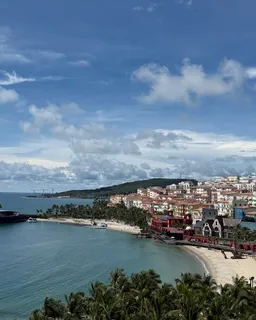
Ha Tien lies along the western coastline near the Gulf of Thailand. It is known for quiet beaches, limestone hills, temples, and its proximity to Cambodia and Phu Quoc Island.
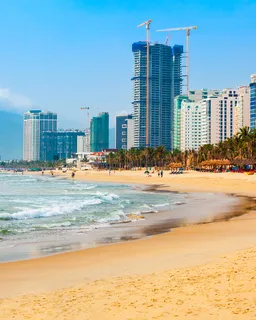
Da Nang is a coastal city located between Hanoi and Ho Chi Minh City, bordered by mountains and long sandy beaches. It is known for My Khe Beach, Marble Mountains, Dragon Bridge, and as the gateway to Ba Na Hills and the Golden Bridge.
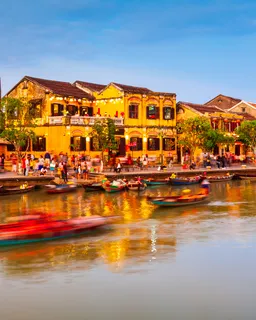
Hoi An is a historic riverside town in central Vietnam, near the coast. A UNESCO World Heritage Site, it is famous for its lantern-lit old town, preserved merchant houses, tailor shops, riverside cafés, and nearby beaches.
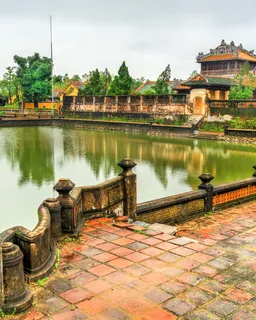
Hue is located along the Perfume River in central Vietnam and was once the imperial capital. The city is known for the Imperial Citadel, royal tombs, pagodas, and historic monuments reflecting Vietnam’s royal past.
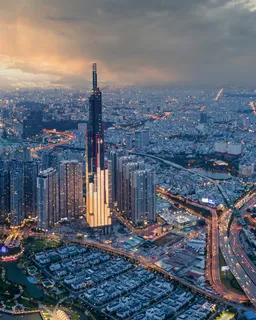
Hanoi is Vietnam’s capital city, located in the Red River Delta in the north of the country. It is known for its centuries-old temples, French colonial architecture, lively Old Quarter, Ho Chi Minh Mausoleum, and traditional water puppet shows.
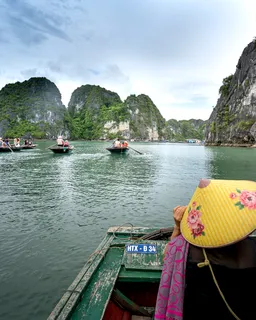
Halong City (Halong Bay) lies along the northeastern coastline and is famous for Halong Bay, a UNESCO World Heritage Site featuring emerald waters and thousands of limestone karst islands, best explored by cruises, kayaking, and cave visits.
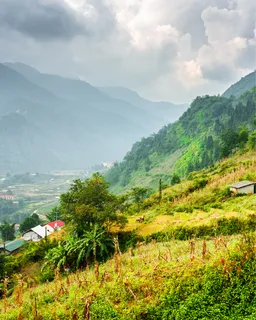
Sapa is a mountainous town near the Chinese border, set in the Hoang Lien Son range. It is renowned for scenic rice terraces, ethnic minority villages, cool climate, trekking routes, and views of Mount Fansipan, Vietnam’s highest peak.
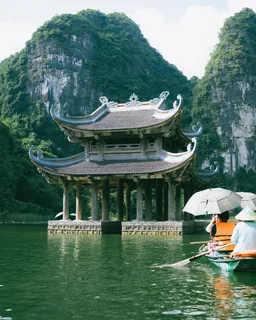
Ninh Binh is located south of Hanoi and is often called “Halong Bay on land” due to its limestone cliffs, rivers, and rice fields. Major attractions include Trang An boat rides, Tam Coc caves, ancient temples, and countryside landscapes.
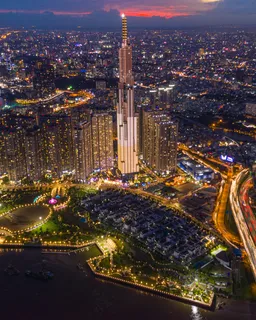
Ho Chi Minh City (Saigon) is located in southern Vietnam near the Mekong Delta and is the country’s largest and most vibrant city. It is known for colonial landmarks, bustling markets, museums, nightlife, and its role in Vietnam War history.

Mekong Delta (Can Tho / My Tho) lies in southern Vietnam where the Mekong River meets the sea. This fertile region is famous for floating markets, river cruises, fruit orchards, rural villages, and traditional Vietnamese countryside life.
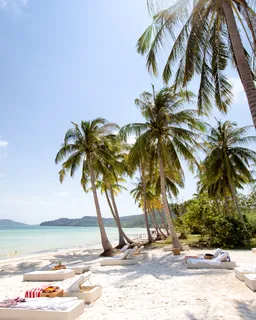
Phu Quoc is a tropical island located off Vietnam’s southwest coast in the Gulf of Thailand. It is known for white-sand beaches, coral reefs, island hopping tours, snorkeling, luxury resorts, and scenic sunset viewpoints.
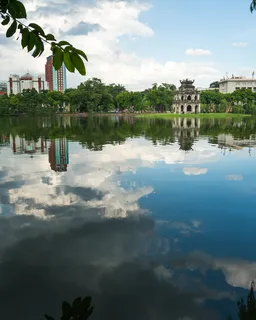
Explore Hanoi’s historic heart including the Old Quarter, Ho Chi Minh Mausoleum, Temple of Literature and Hoan Kiem Lake with a guided city experience. Ideal for first-time visitors wanting a structured introduction. Duration: Half Day (4 hrs) / Full Day (7–8 hrs) | Timings: 08:30–13:00 or 08:30–17:00
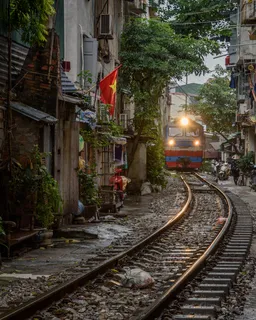
Discover narrow lanes, colonial buildings and hidden eateries while sampling iconic Vietnamese dishes and vegetarian options. Pre-booking ensures curated food stops and an English-speaking guide. Duration: 3–4 hrs | Timings: 09:00–13:00 or 17:00–21:00
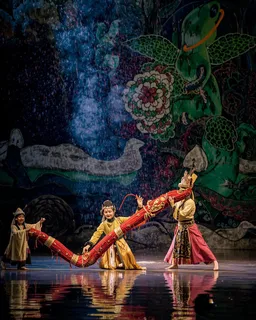
Watch Vietnam’s traditional water puppetry performed with live folk music, a unique cultural experience found only in northern Vietnam. Reserved seating is recommended. Duration: 1 hr | Timings: Evening shows
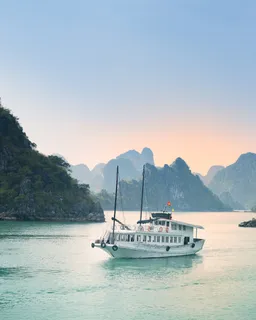
Sail through limestone karsts, caves and floating villages with lunch onboard and optional kayaking. Ideal for travellers short on time. Duration: 4–6 hrs | Timings: 08:00–14:00
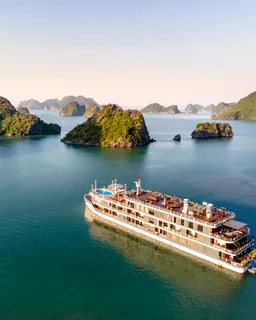
Experience sunrise on the bay, cave exploration, kayaking and onboard dining aboard a luxury cruise. Cabins sell out quickly and must be pre-booked. Duration: 1N/2D or 2N/3D | Timings: Overnight
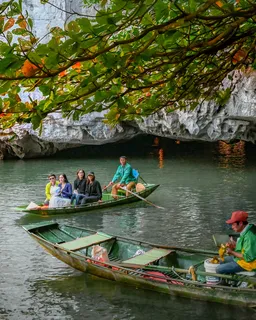
Float through caves, rivers and limestone cliffs at this UNESCO site, combined with temple visits and countryside views. Duration: 4–5 hrs | Timings: 09:00–15:00 | Start: Hanoi / Ninh Binh
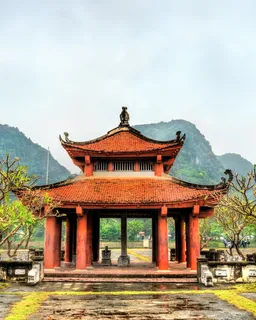
Explore Vietnam’s ancient capital ruins followed by cycling through rice fields and rural villages. Duration: 4–5 hrs | Timings: Morning | Start: Hanoi / Ninh Binh
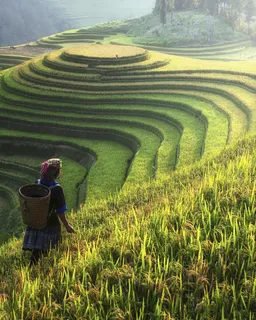
Walk through terraced rice fields and ethnic minority villages with a local guide, offering cultural insights and scenic views. Duration: Half Day or Full Day | Timings: Morning | Start: Sapa
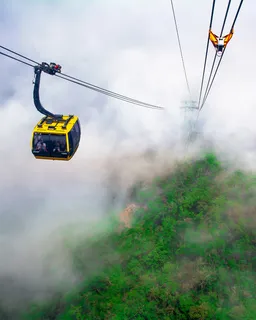
Ride the world’s longest cable car to Mount Fansipan, Vietnam’s highest peak, with panoramic mountain views. Tickets must be pre-reserved. Duration: 3–4 hrs | Timings: 08:00–15:00 | Start: Sapa
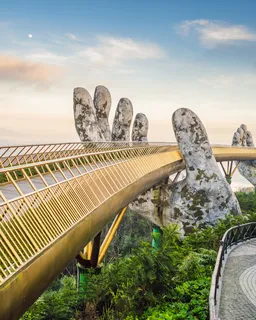
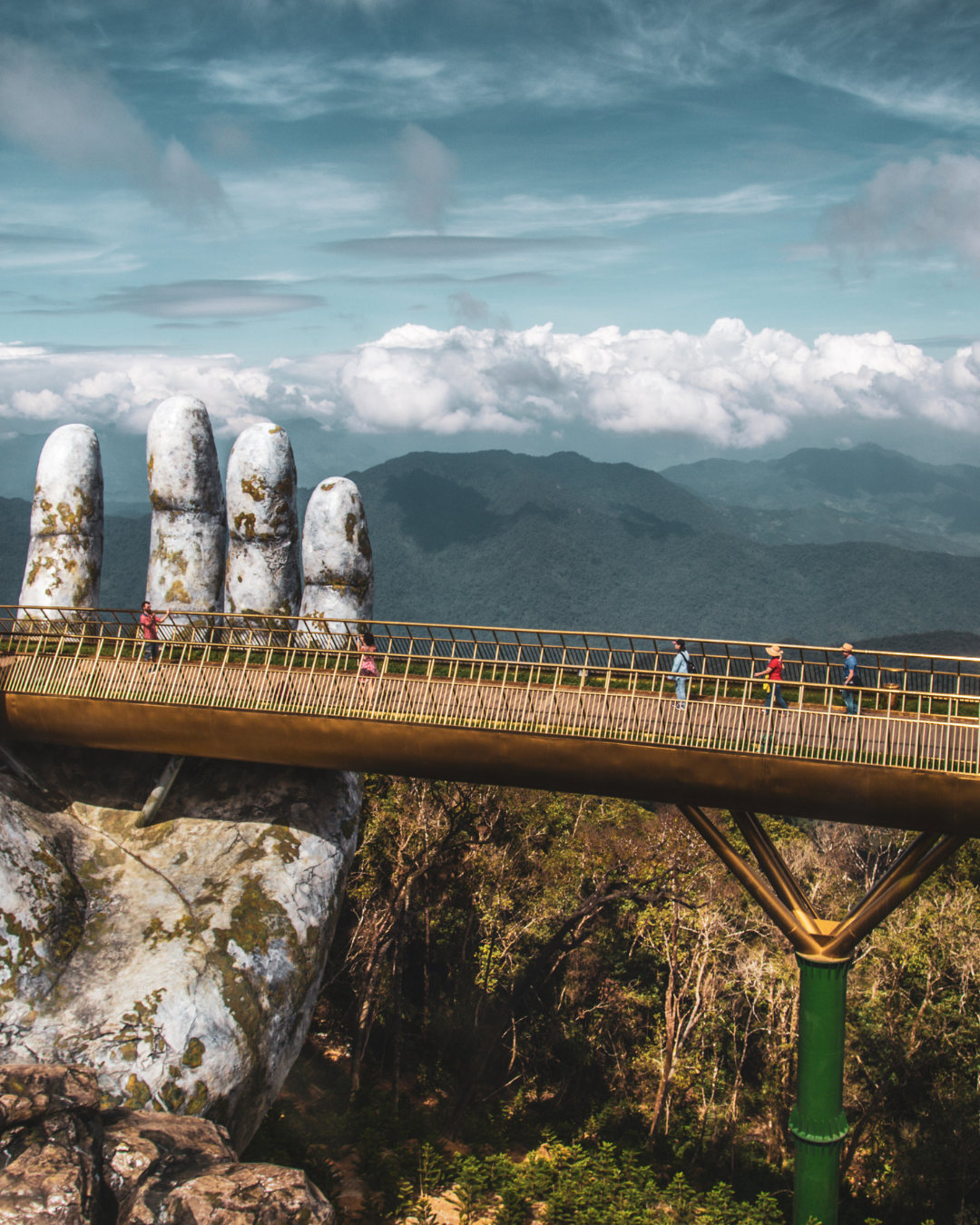
Visit the iconic Golden Bridge, French Village, cable car rides and mountain attractions at Ba Na Hills. One of Vietnam’s most popular day tours requiring advance booking. Duration: Full Day (8–9 hrs) | Timings: 07:30–17:00 | Start: Da Nang
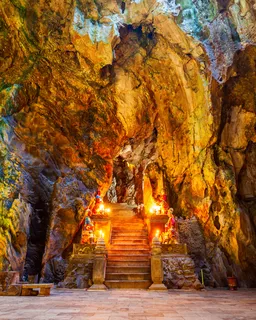
Explore limestone caves, pagodas and scenic viewpoints followed by relaxation at Da Nang’s famous beach. Duration: 4–5 hrs | Timings: Morning
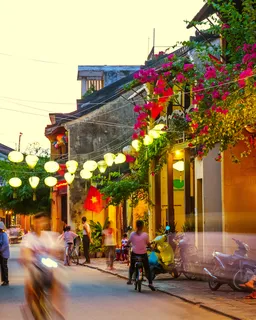
Stroll through lantern-lit streets, historic merchant houses and temples with cultural storytelling. Duration: 3 hrs | Timings: Afternoon / Evening | Start: Hoi An
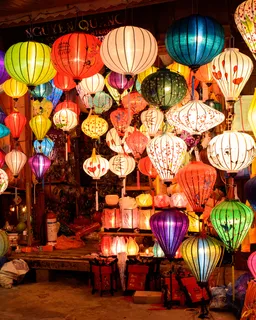
Create traditional silk lanterns with local artisans, a hands-on cultural experience perfect for families. Duration: 1–1.5 hrs | Timings: Flexible | Start: Hoi An
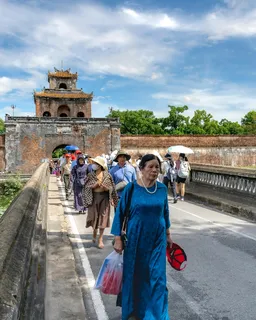
Explore Vietnam’s former royal capital including the Citadel, pagodas and emperors’ tombs along the Perfume River. Duration: Full Day (7–8 hrs) | Timings: 08:30–16:30 | Start: Hue
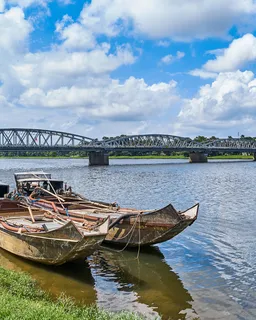
Enjoy a peaceful river cruise with views of historic temples and countryside landscapes. Duration: 1–1.5 hrs | Timings: Afternoon | Start: Hue
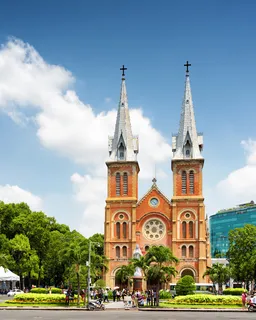
Visit landmarks like Notre Dame Cathedral, Central Post Office, War Remnants Museum and bustling markets. Duration: Half Day (4 hrs) / Full Day (7 hrs) | Timings: Morning | Start: Ho Chi Minh City
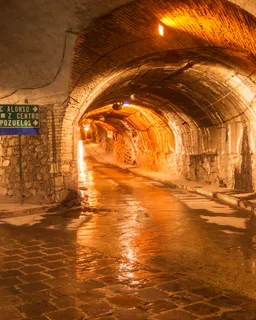
Explore underground tunnel networks used during the Vietnam War with guided demonstrations. Duration: 5–6 hrs | Timings: Morning
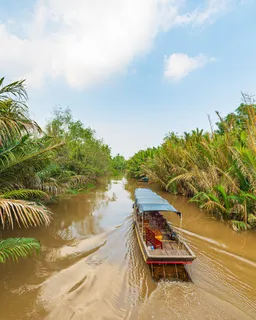
Cruise canals, visit coconut farms, fruit orchards and village homes for a glimpse of rural life. Duration: Full Day (8–9 hrs) | Timings: 07:30–17:00
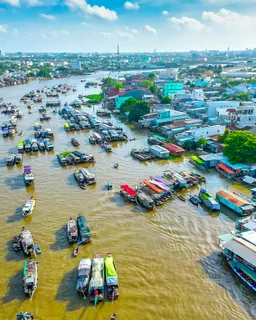
Visit Cai Rang floating market at dawn to experience authentic river trading culture. Duration: 3–4 hrs | Timings: 05:30–09:00 | Start: Can Tho
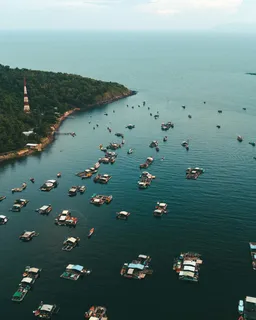
Explore coral reefs, small islands and clear waters with lunch included. Duration: Full Day (6–7 hrs) | Timings: 09:00–16:00
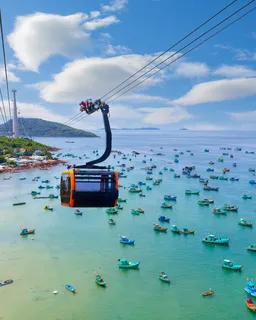
Ride the world’s longest sea cable car offering stunning ocean views. Tickets must be booked in advance. Duration: 2–3 hrs | Timings: 09:00–15:00
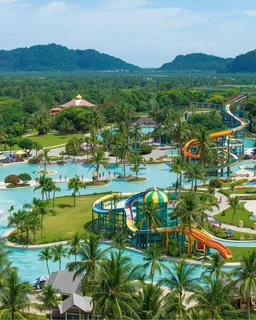
Spend time at Sun World Hon Thom, featuring Aquatopia Water Park, beach activities, family rides and adventure zones on Hon Thom Island. Pre-booking ensures cable car + park access in one seamless ticket. Duration: Half Day (4–5 hours) | Timings: 09:00–17:00
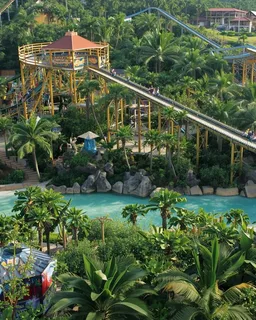
Experience Vietnam’s largest theme park with thrilling rides, themed zones, cultural shows and family attractions inspired by world civilizations. Due to high demand, advance ticket booking is strongly recommended. Duration: Full Day (6–8 hours) | Timings: 10:00–19:00
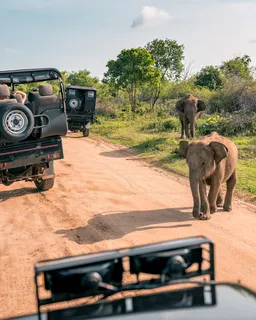
Visit Vietnam’s largest wildlife conservation park featuring open-zoo safari experiences, exotic animals and educational exhibits. Pre-booking is essential for entry slots and transport coordination. Duration: 3–4 hours | Timings: 09:00–16:00

With the unique Donut-shaped building in the middle of Grand World Phu Quoc, Teddy Bear Bear House is made on the theme of Teddy Bear travel, is the first entertainment, shopping, restaurant in the style of retail-tainment in Vietnam.
With a total area of 1,500m2 on display and entertainment, 5 parts of the experience, Teddy Bear Museum is the place to preserve the artifacts and re-enact the expedition in the lands that Teddy Jones has passed.

Show Timing 8:15 PM - 9:00 PM
Venue : Grand World Phu Quoc
Cultural Showcase: Enjoy 12 captivating performances across four themes, celebrating Vietnam's rich heritage.
Stunning Venue: Experience the show in a beautifully designed space inspired by the Temple of Literature in Hanoi.
Vibrant Storytelling: Witness intricate choreography and narratives that bring Vietnam's traditions and history to life.
Please Note : This Activity is ticket only || No transfer or tour guide is included
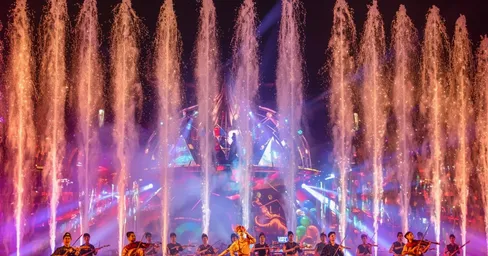
Symphony of the Sea is a unique art performance where melodious tunes blend with the sound of ocean waves, bringing an unforgettable experience to the audience.
Show Schedule-Monday - Sunday: 19:30 - 20:05
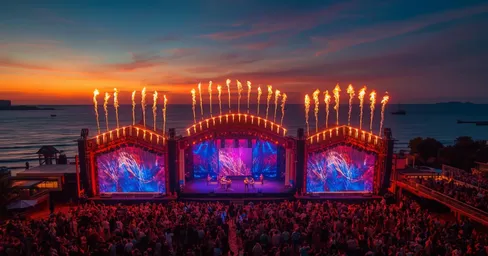
The Kiss of the Sea show in Phu Quoc’s Sunset Town is a 30-minute nightly multimedia performance featuring fire, water, and lasers, typically paired with access to the nearby Kiss bridge. Tickets often include entry to the iconic bridge, best visited during sunset, with the show itself starting around 9:00 PM.

Ice Jungle is Vietnam's most modern light art amusement park, featuring hologram screens using 3D mapping technology, interactive sensors, illumination lighting and advanced immersive media technologies.
The magical tropical and icy environment will provide a mixture of attractions: the Light Art Show, Snow Road, and Casita Palace, which are just great for kids and adults alike. Whether for fun or educational purposes, add these unforgettable moments to any Family with this fantastic experience